Why Advanced Polymers Are Replacing Aluminium in Thermal Management.
The move from heavy metals to lightweight, thermally conductive advanced material science is no longer theoretical—it is already reshaping how industries think about thermal performance, cost, weight, and sustainability. One of the clearest examples is the shift away from carbon-intensive aluminium toward high-performance thermally conductive polymers.
This patented approach helps solve a problem many sectors are facing at once: how to improve thermal efficiency while reducing environmental impact. By replacing traditional metal components with engineered polymer alternatives, organisations can unlock a more scalable path to decarbonisation without compromising performance.
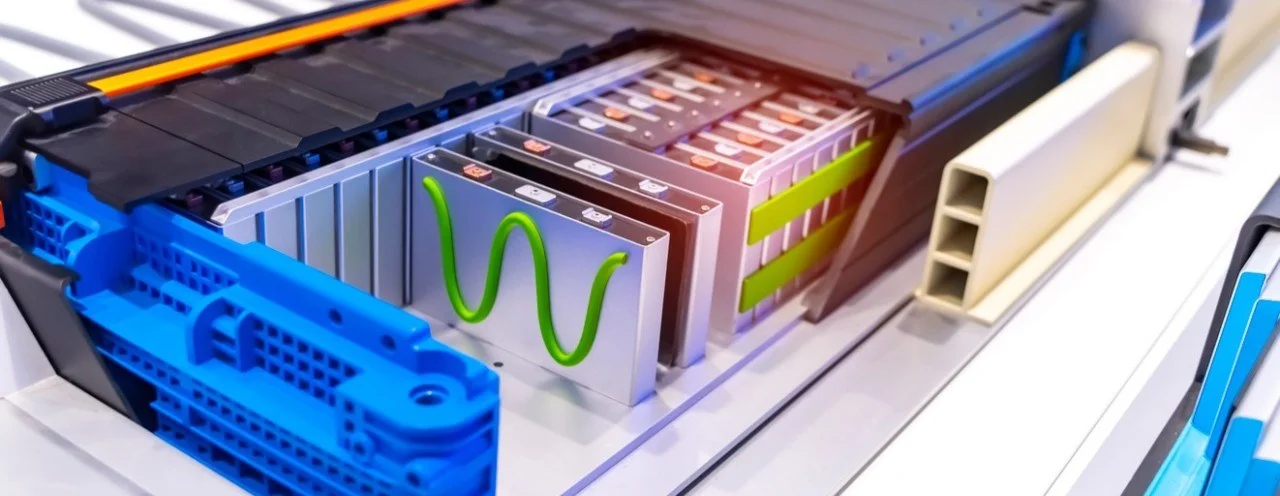
In electric vehicle design, for example, replacing aluminium spacers with custom polymer alternatives can increase cell contact surface area and improve battery heat dissipation. That helps reduce thermal bottlenecks, maintain electrical isolation, and support more efficient system performance. Just as importantly, it can also deliver meaningful operational benefits, including lower component weight and reduced manufacturing scrap.
Why this matters beyond automotive
The opportunity extends well beyond mobility. In data centres, heat exchange systems, and other high-density energy infrastructure, corrosion resistance and long-term durability are essential. Advanced thermally conductive polymers offer a compelling alternative to metals exposed to harsh operating environments or repeated thermal cycling.
Combined with the ability to injection-mould complex, multi-functional parts, these materials can help simplify manufacturing while lowering emissions during production. For organisations under growing pressure to decarbonise, that combination of performance and sustainability is increasingly hard to ignore.
The bigger takeaway
The future of thermal management will not be defined by a single material category, but by the ability to match performance requirements with smarter, more sustainable engineering choices. For many applications, advanced polymers are no longer a niche option—they are becoming a serious strategic advantage.
If you’re exploring lighter, more sustainable approaches to thermal management, I’d be glad to connect and exchange ideas.